
Life Expectancy in Ancient China
Life expectancy in China has varied significantly over its long history, from the Shang Dynasty (c. 1600–1046 BCE) to the present day...
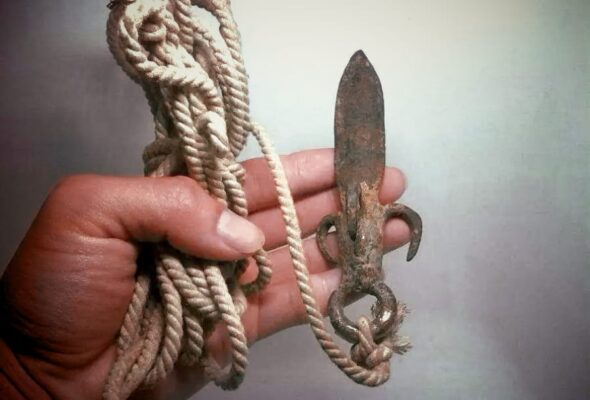
Shéng Biāo 繩鏢 – ‘Rope Dart’
The rope dart 繩標 or shéng biāo 繩鏢 in Mandarin is a type of soft weapon consisting of a darthead and rope..
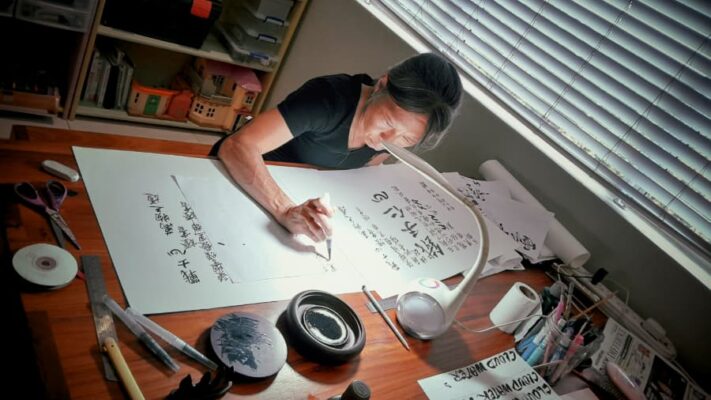
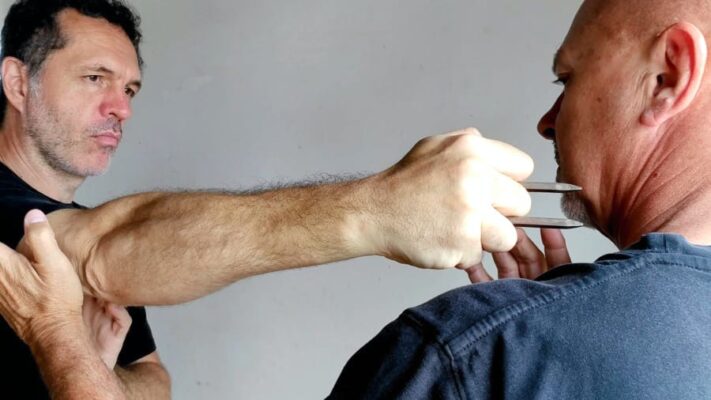
Gǔ Chuān Cì 骨穿刺 – ‘Bone Piercer’
The bone piercer 骨穿刺 is often associated with stealth and surprise attacks, as it can be easily concealed and used in close quarters.
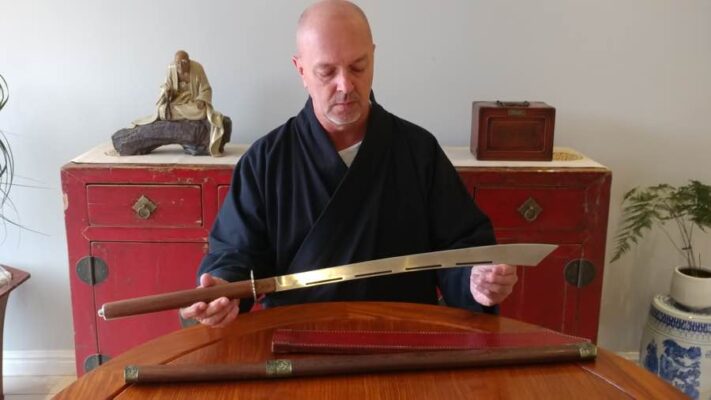
The Demon Head Sword 鬼頭刀 – Video Commentary
This is a brief account of the Demon Head sword 鬼頭刀 of the Warrior Heart 戦士心 school
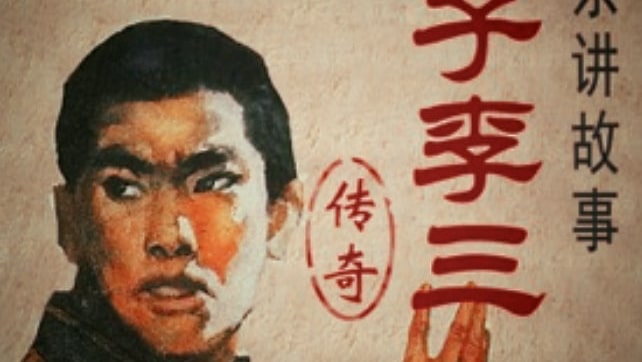
The Legend of Swallow Li the Third 燕子李三
The legend of Swallow Li the Third 燕子李三 has long captured the imaginations of many in China, blending history, myth, and cultural fascination..
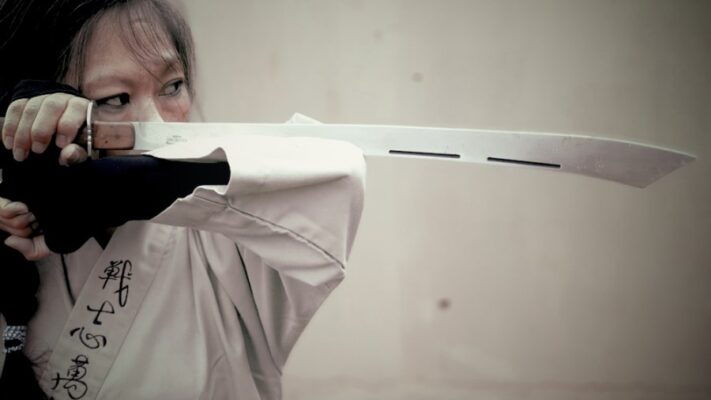
The Old Way 古道 of Martial Arts 武術 (古道武術)
The old way 古道 of martial arts 武術 is deeply intertwined with traditional values and philosophies, viewing martial skill as more than mere combat techniques – it is a discipline aimed at the cultivation of mind,...

Bihu Gong 壁虎功 – Gecko Skill
Bihu gong 壁虎功, or 'gecko skill,' is an advanced Chinese martial art skill named after the gecko’s ability to cling to surfaces and move stealthily...
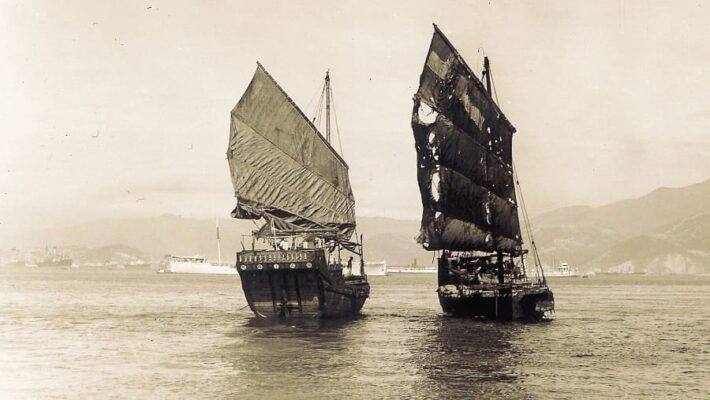
Warrior Heart School 戰士心門: Surviving the Cultural Revolution and Multi-Cultural Transmission
This essay expounds on the preservation of the Chinese art of stealth within the Warrior Heart 戰士心 lineage, detailing how its survival was ensured across strict Chinese lines of transmission and even the destruction of the...
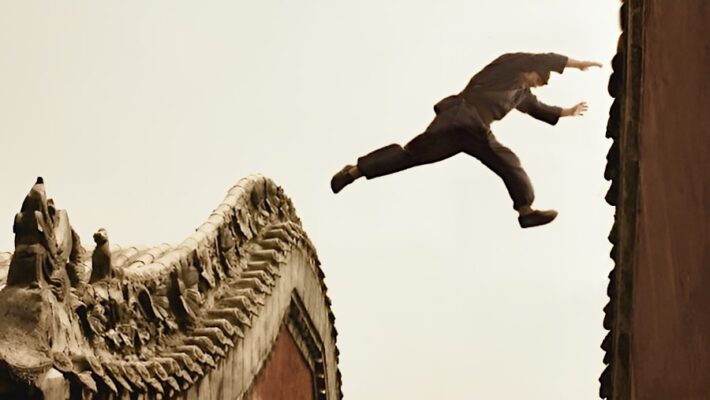
The Warrior Heart School 戰士心門 and Feiyan Zoubi 飛簷走壁 – ‘Flying Eaves Running Walls’
Feiyan zoubi 飛簷走壁, which translates to 'flying eaves running walls,' refers to a skill in Chinese martial arts associated with stealth and evasion. Practitioners of this skill are often depicted as possessing the ability to move...
The Chinese Cultural Revolution: An Assault on Arts, Religion, and Martial Traditions
The Cultural Revolution (1966-1976) unleashed a fervent wave of destruction upon traditional Chinese art forms. Visual arts, literature, and historical artifacts were often the first targets..
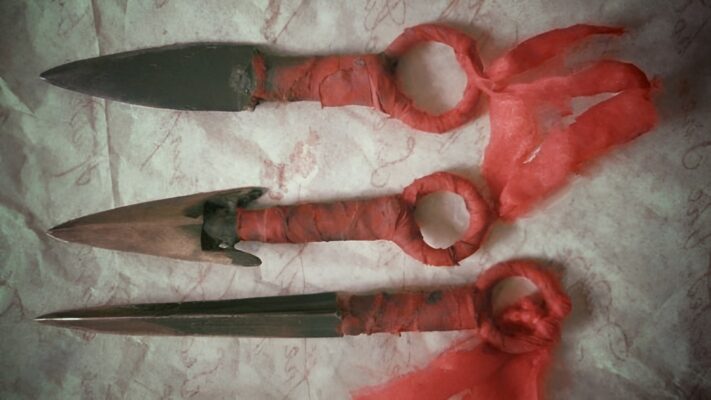
Du Feibiao 毒飛鏢 – Poison Darts
There are two primary variants of poisoned darts: the feathered dart, or daiyi biao 帶衣鏢, adorned with red and green..
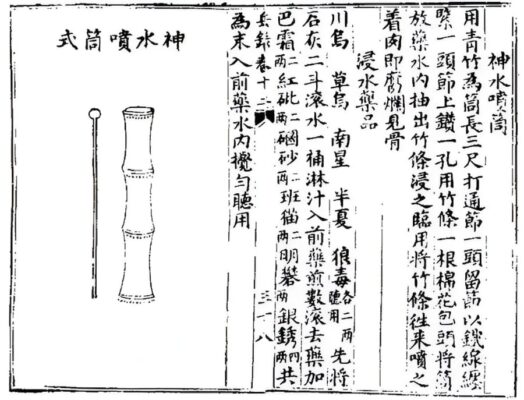
Shenshui Pentong 神水噴筒 – Divine Water Spray
The diagram illustrates a bamboo device, segmented and hollow, which was used to store and release a mixture...
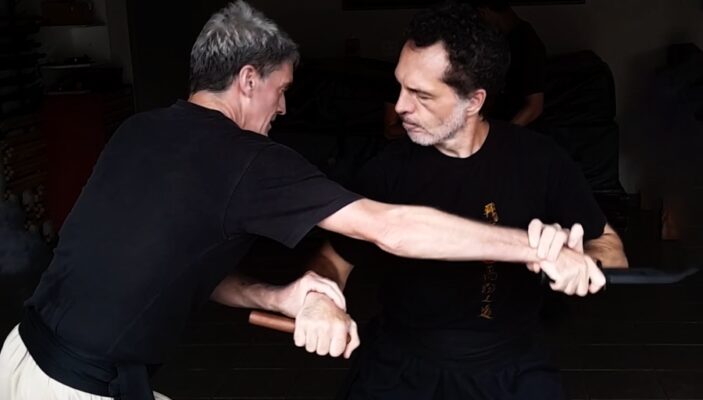
The Warrior Heart School 戰士心門 and the Principle of ‘Faster Than the Speed of Thought’
In the realm of martial arts, there exists a rarefied level of skill where reactions flow not from conscious deliberation but from deeply ingrained instincts. This level of mastery, sought by Warrior Heart School 戰士心門 practitioners...
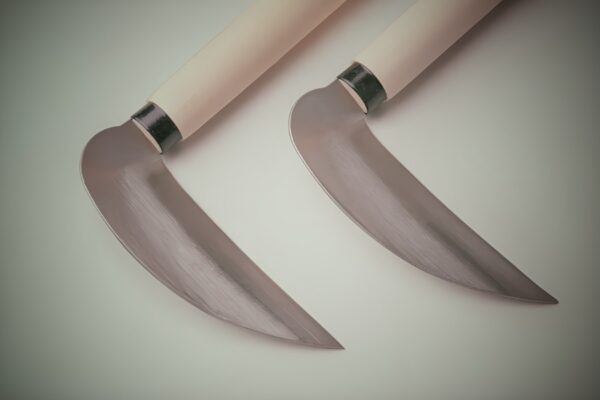
Lian Dao 鐮刀 – The Sickle
As early as the Neolithic period, early forms of the sickle were crafted from stone and were essential for harvesting grains like millet and rice. Archaeological findings from sites like
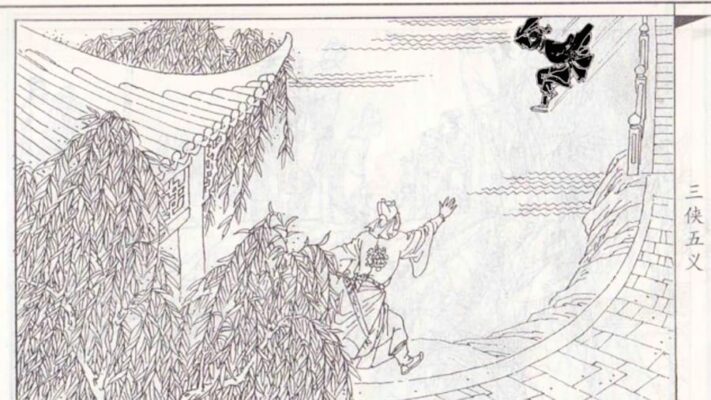
The Complex Legacy of Thieves in Ancient China
Thieves in ancient China developed an extensive variety of skills and classifications. This ‘professionalisation’ of thieves divided them by their methods and areas of operation, and each type employed unique tools and techniques.
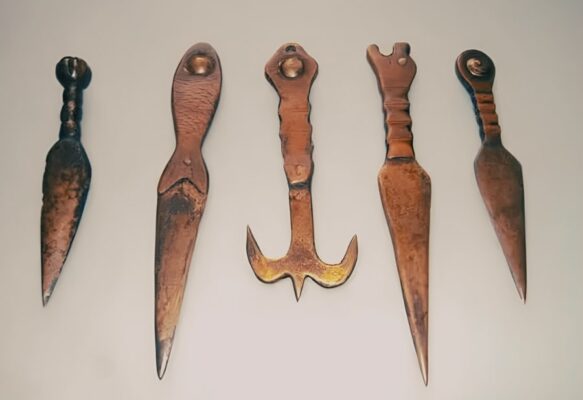
Anqi 暗器 – ‘Hidden Tools’
In the realm of ancient weaponry, anqi 暗器, or ‘dark weapons,’ were tools of choice for swift and stealthy attacks. Small, light, and easily concealed, these weapons were designed primarily for ambush. In general, they are...
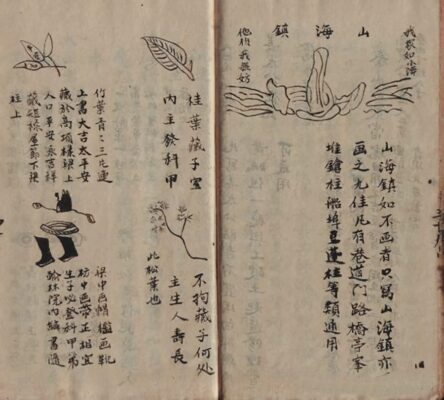
Lu Ban Shu 魯班書 – Book of Mystery
Lu Ban Shu 魯班書, or the "Book of Lu Ban," is a collection of texts traditionally attributed to Lu Ban 魯班, a legendary Chinese craftsman...
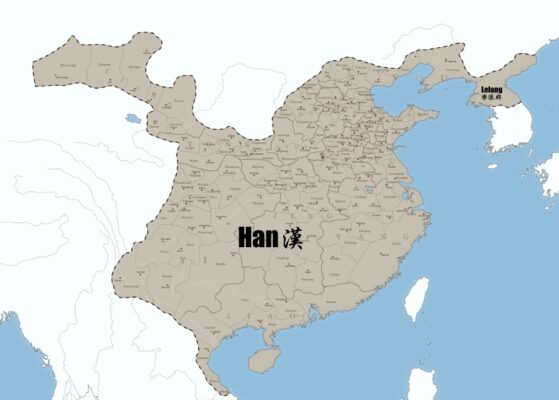
Lelang 樂浪 Han 漢 Commandery 郡 – Korea
The Lelang 樂浪 commandery offers a fascinating glimpse into China's influence on early Korean society, politics, and culture. Established in (108 BCE) by the Han 漢 dynasty..
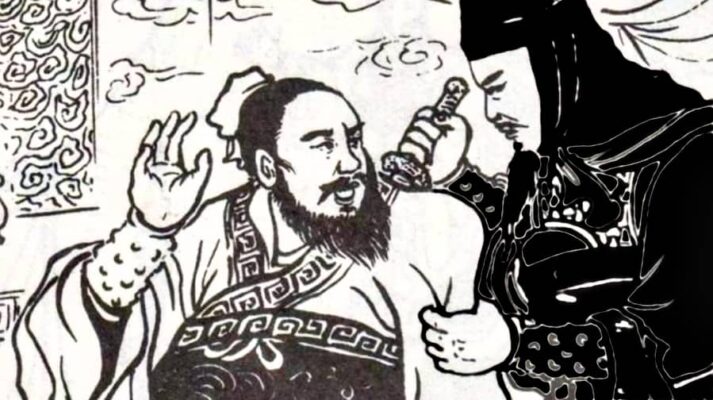
Hua Yuan 華元: The Earliest Record of Stealth in Chinese Strategic Warfare
The earliest recorded instance of stealth in Chinese strategic warfare occurred in 594 BCE when the Song 宋 capital, under siege for five gruelling months, found itself in a state of desperation...
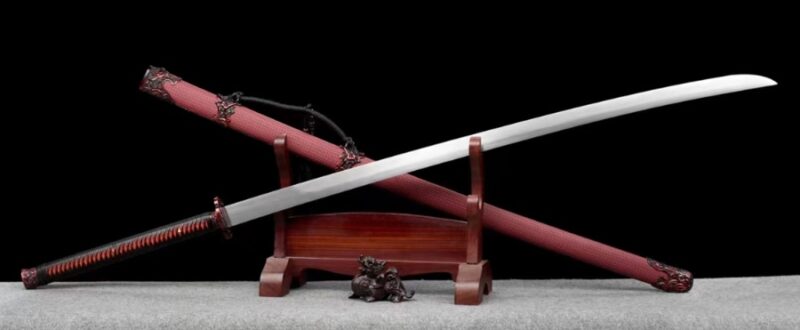
Shuangshou dao 雙手刀- two-hand sword
The shuangshou dao 雙手刀, or two-hand sword, shares historical parallels with the development of two-handed jian 劍 but has a distinct history rooted in the evolving needs of Chinese warfare...
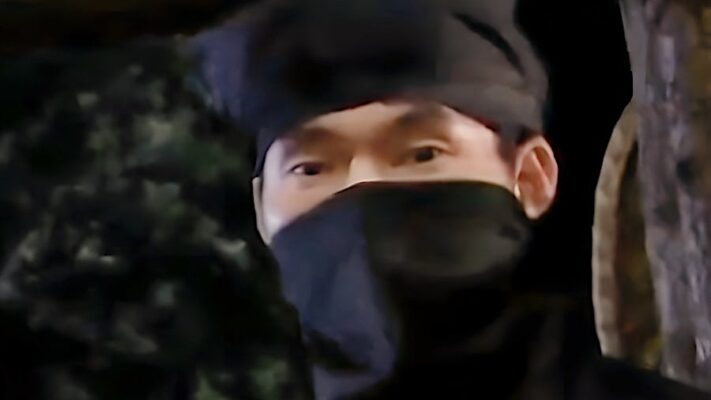
Péng Yúnzhōng 彭雲中: The Righteous Thief
In the annals of Chinese folklore, the figure of Péng Yúnzhōng 彭雲中 emerges as a quintessential yìzéi 義賊 yizei, or righteous thief...
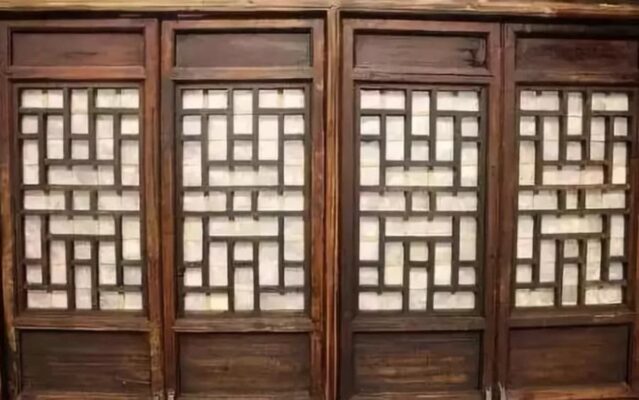
‘Breaking the window paper’ 捅破窗紙
In many film and television dramas, assassins clad in black night clothes are depicted lurking in courtyards, piercing paper-covered windows to spy indoors
Warrior Heart 戰士心 Colour Belt Grading System
Back in 1987, the Warrior Heart School 戦士心門 introduced the colour belt system to enhance group interaction and motivate modern practitioners. This shift was driven by a suggestion
Origin of the 9 Rank System
The Jiupin Zhongzheng Zhi 九品中正制, commonly referred to as the 'Nine-Rank System' or 'Nine Grades System', was a method of official recruitment and classification used primarily during the Wei 魏 (220–266) and later the Jin 晉...
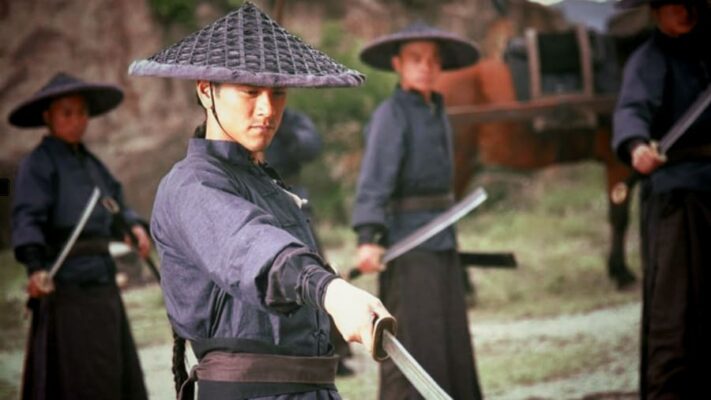
Bo Biao 保鏢: The Role of Bodyguards in Ancient China
In ancient China, the term bo biao 保鏢 refers to bodyguards who played a crucial role in ensuring the safety of individuals, especially those of high status. Their duties extended beyond mere protection..
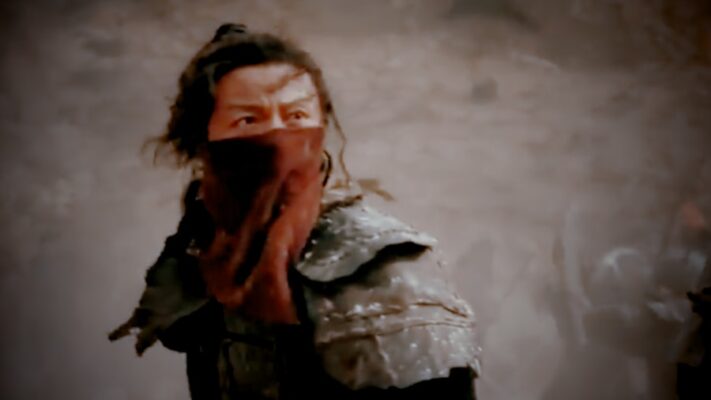
The Evolution of the Warrior Heart 戰士心 Tradition: From Assassins to Protectors
Through this revitalisation effort, the tradition has come to embody the balance between past and present, war and peace, destruction and protection. The transition from a deadly assassin’s art to a means of cultural preservation is...
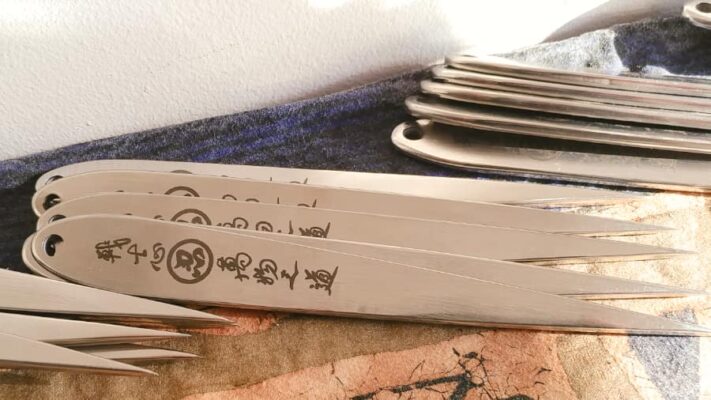
Weapons Crafting of Warrior Heart 戰士心
The handcrafting of tools and weapons in the Warrior Heart School is a time-honoured tradition, blending martial prowess with artisanal skill. This process not only creates weapons of great beauty and effectiveness but also serves as...
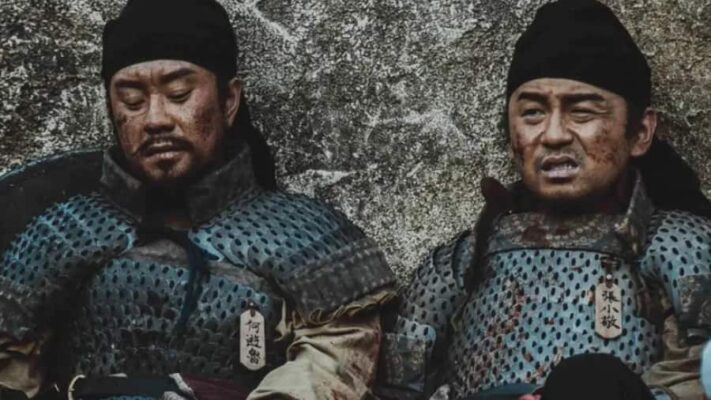
The Role of Ye Bu Shou 夜不收 and Zhuosheng 捉生 in Military Intelligence During the Ming 明-Qing 清 Transition
This essay utilises the core analysis from the 2005 article by Qí Měiqín 祁美琴 on Ye Bu Shou 夜不收 and Zhuosheng 捉生 as foundational references.
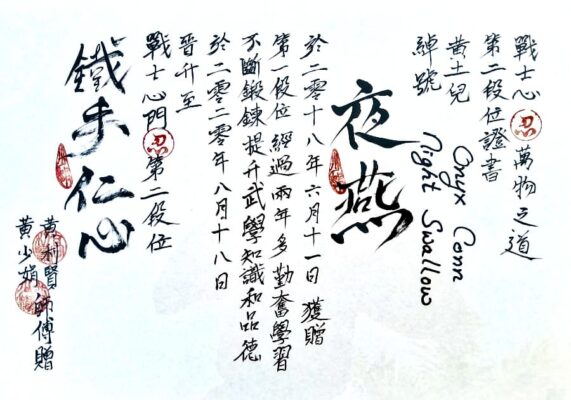
Warrior Heart 戰士心 – Certification
As is common in modern martial culture, the black belt holds special significance. Warrior Heart 戰士心, black belt certificates..
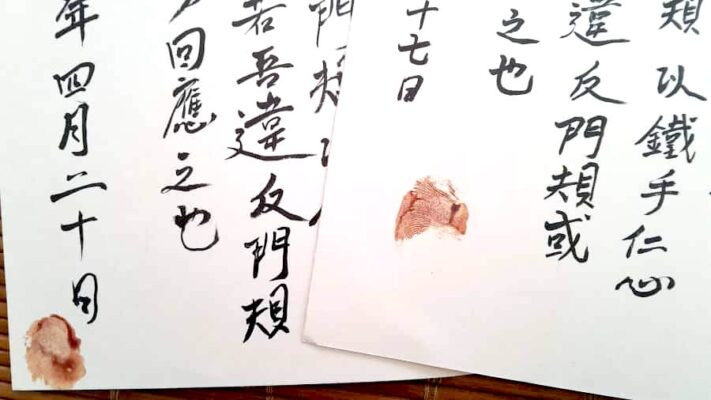
Warrior Heart School 戰士心門 – The Blood Oath
The blood oath is deeply rooted in the school's time-honoured traditions. Signed between the Masters and the chosen closed-door student, it represents not merely a promise but an unbreakable bond.
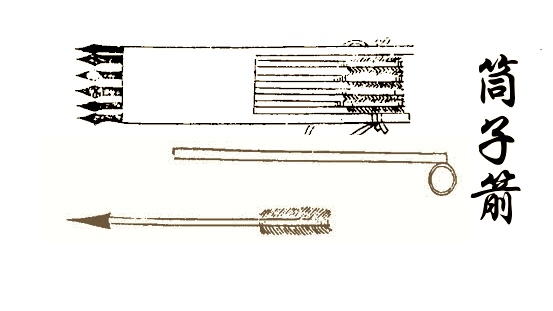
Tong Zi Jian 筒子箭 – ‘Tube arrow’
The tóng zǐ jiàn 筒子箭 or 'tube arrow', or tóng jiàn 筒箭, was an intriguing weapon used in ancient China, particularly during the late imperial period. It consisted of a bamboo tube designed to hold multiple...
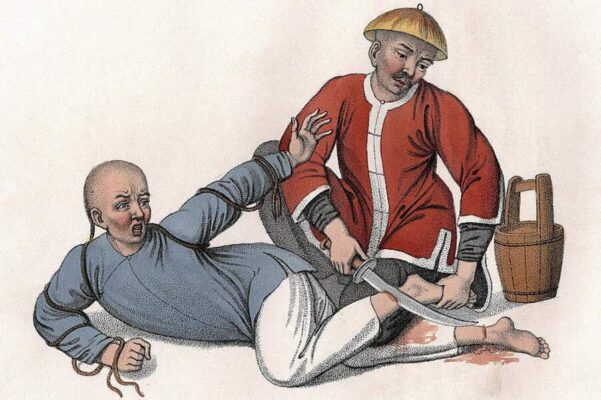
The The Five Punishments of Ancient China: A Comprehensive Study
The Five Punishments 五刑 were a cornerstone of the ancient Chinese penal system, representing the structured and often harsh methods by which the Chinese state dealt with crime and disorder. These punishments evolved over time, reflecting...
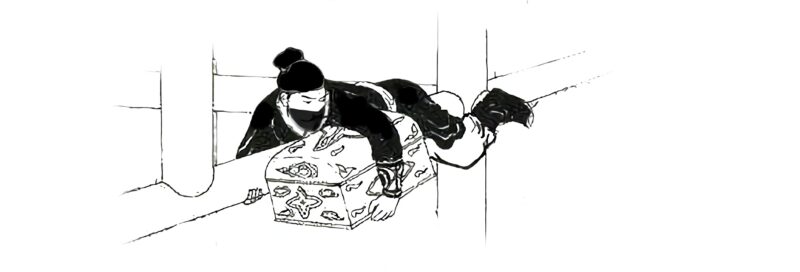
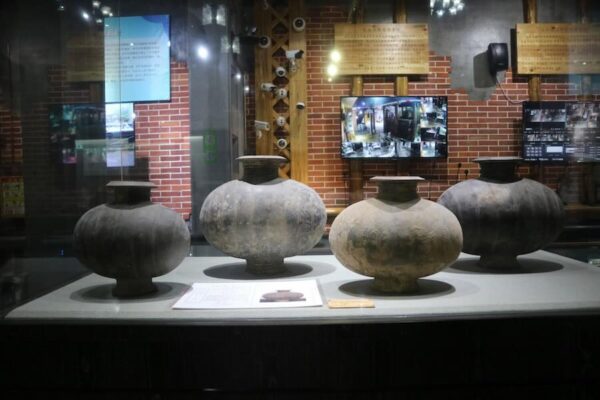
The Ting Weng 聽瓮
The use of clay jars and urns as listening devices is referenced in various texts from the classical era, though they were often described obliquely to preserve secrecy. Espionage methods were regarded as state secrets, and...
The Interwoven Threads of Japanese and Chinese Cultures: The Legacy of Early Chinese Settlers
The intricate tapestry of Japanese culture is largely a product of the influence exerted by early Chinese settlers, whose contributions shaped the foundational aspects of Japanese identity...
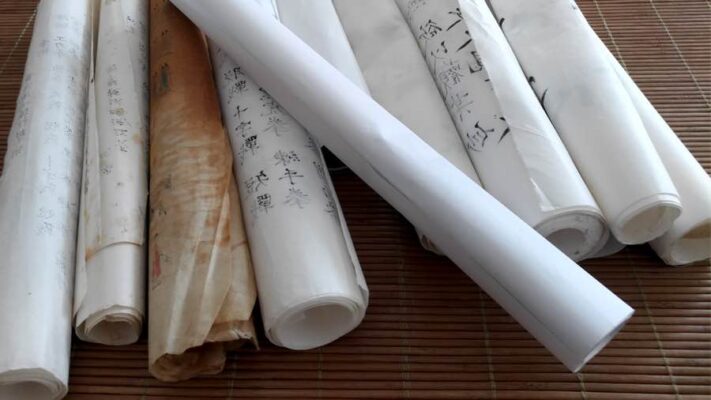
The Warrior Heart 戰士心 Record
In the pursuit of understanding the profound depths of martial arts, we have assembled a significant collection of ancient manuscripts and classic Chinese texts.
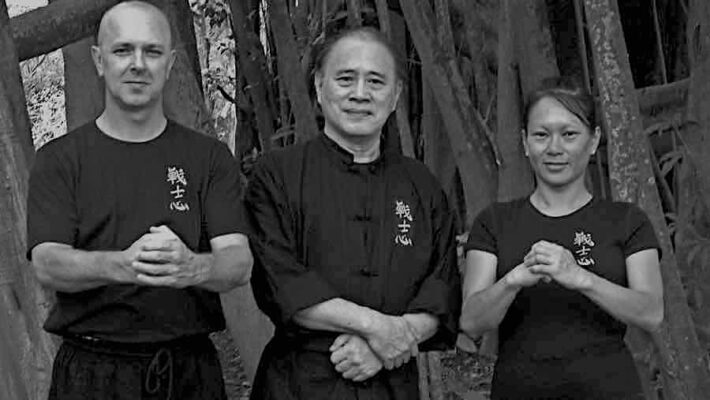
Warrior Heart 戰士心 – Lineage of Transmission
The Warrior Heart 戰士心 lineage traces its origins back eight recorded generations, representing a rich tapestry of teachings and traditions that have evolved over time; prior to these documented stages, the school existed but the written...
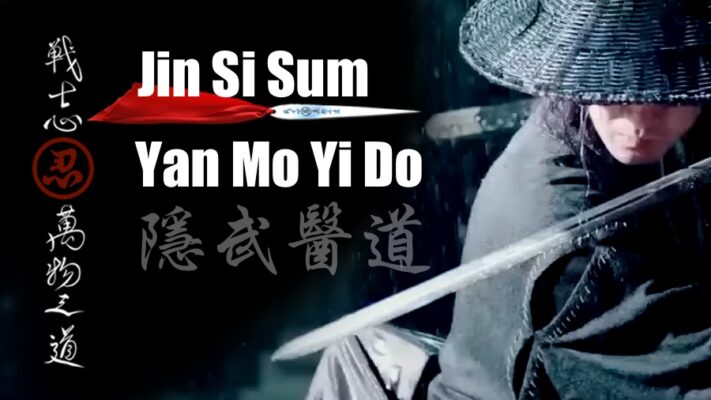
Yan Mo Yi Do 隱武醫道
The philosophical and practical teachings of Maan Mut Ji Do 萬物之道 are crystallised in the form of Yan Mo Yi Do 隱武醫道...
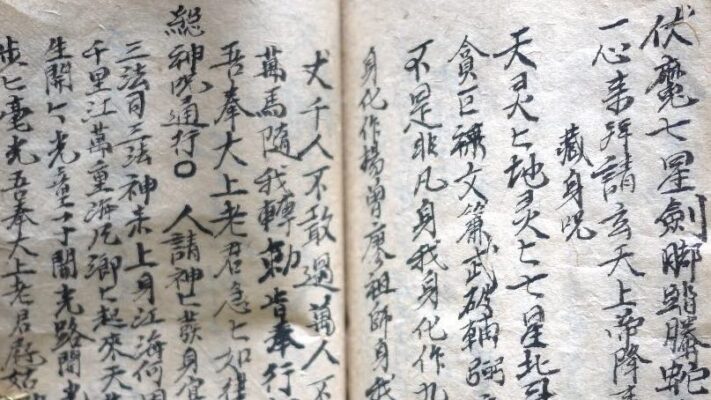
An Overview of Yinshen shu 隱身術
Yinshen shu 隱身術, often translated as the 'art of invisibility,' finds its roots in ancient Chinese Taoist 道教 practices, which sought harmony with the natural world. Early Taoists 道士 were hermits, philosophers, and spiritual seekers who...
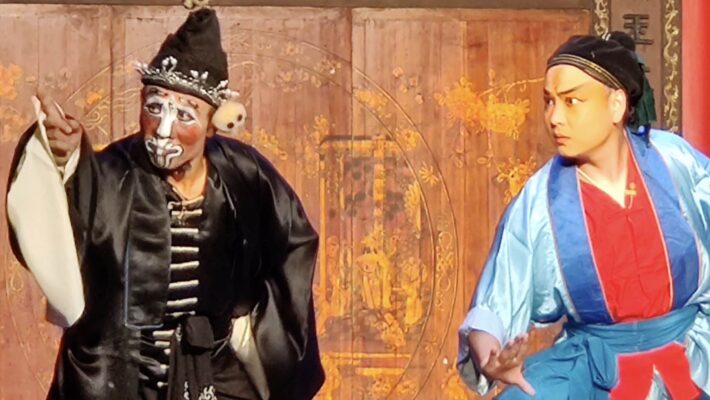
Flea on a Drum 鼓上的蚤
Shi Qian 史阡, nicknamed gǔ shàng de zhǎo 鼓上的蚤 or ‘Flea on a Drum‘ , is a fascinating character from Water Margin 水浒传, one of China’s Four Great Classical Novels. His character reflects themes of rebellion...
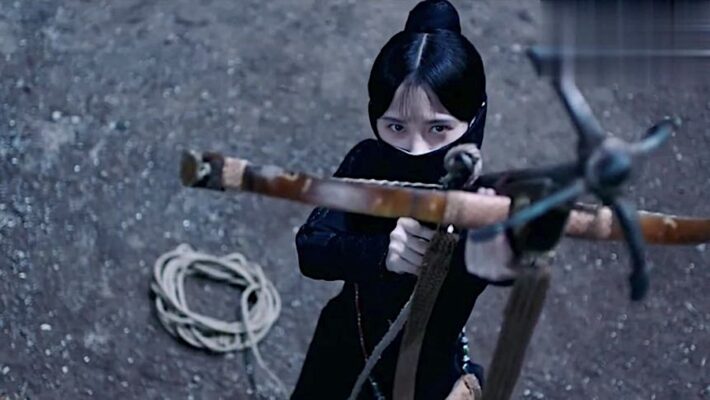
Night Clothes 夜行衣: A Taoist Perspective
Night clothes, or yèxíng yī 夜行衣, have a rich history rooted in Taoist philosophy and the principle of aligning with natural forces, particularly those associated with yin 陰 (yin 陰–yang 陽). Traditionally, these garments were not...
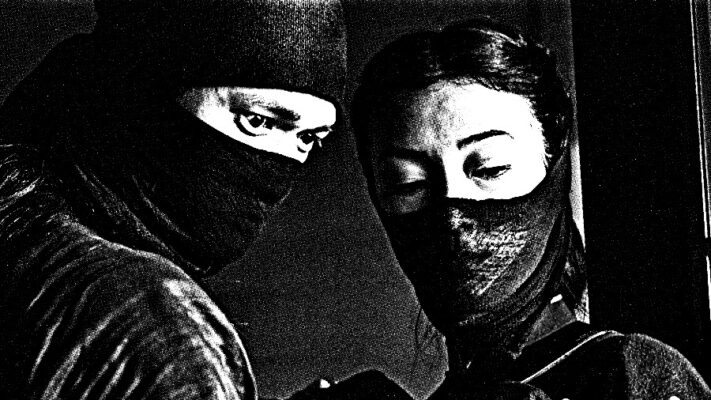
An Overview of the Black-Clad Masked Operatives
When we think of stealth today, images of covert military operatives or the iconic black-clad ninja 忍者 often come to mind, their faces hidden behind dark masks, moving through the night with near-supernatural skill
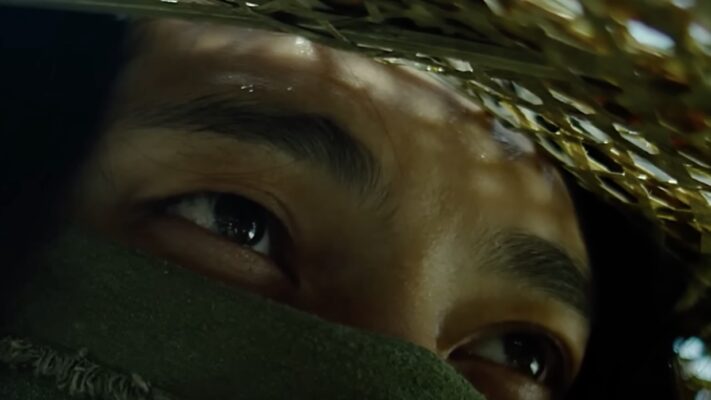
Nie Yinniang 聶隱娘: The Legendary Female Assassin of Tang Dynasty 唐朝 fiction.
The story of Nie Yinniang 聶隱娘, immortalized in Chinese literature, has fascinated readers for centuries. As one of the most renowned figures in Chinese folklore, she is often seen as a symbol of stealth, martial prowess,...
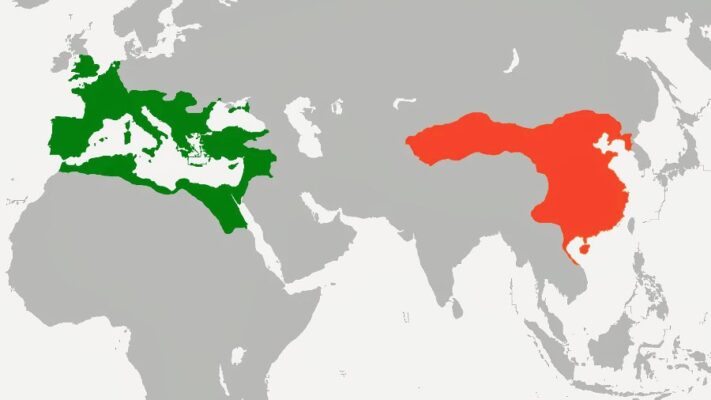
Comparison of the Roman Empire and The Han 漢 Dynasty
The Roman Empire and the Han 漢 Dynasty were similar in size, both in terms of territorial extent and population, especially at their height...
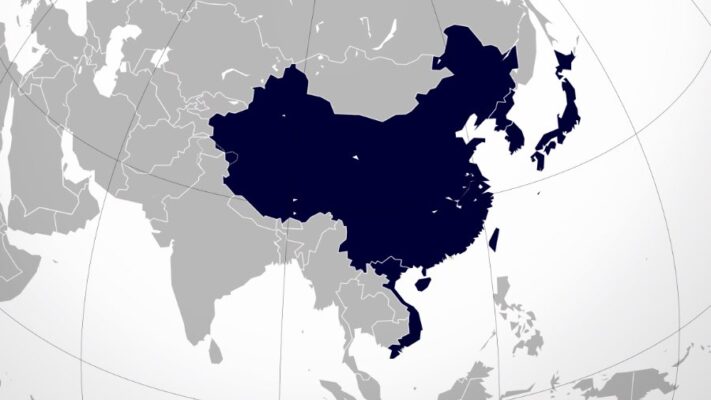
Understand the Sinoshpere!
The term "Sinosphere" refers to the vast cultural sphere that was historically influenced by China, encompassing much of East Asia, including Korea, Japan, and Vietnam. This cultural orbit emerged from China’s central role as a political,...
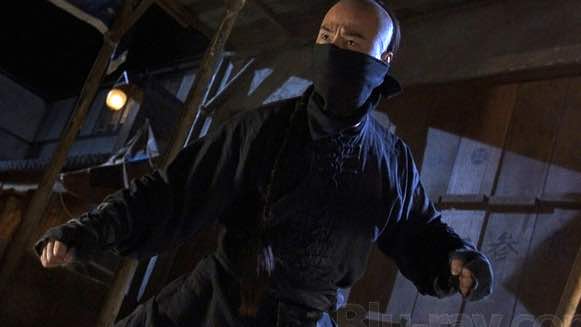
Stealth in Wuxia Films
The wuxia 武俠 genre, a staple of Chinese cinema, portrays martial artists navigating a world of chivalry, personal honor, and masterful combat techniques. Integral to the wuxia 武俠 aesthetic is the concept of stealth, an ancient...
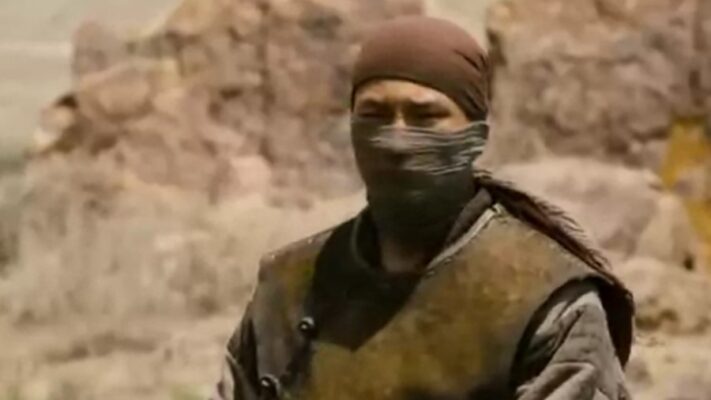
Ye Bu Shou 夜不收 – An Overview
In ancient China, the concept of warfare extended far beyond battlefield confrontations. Intelligence gathering, reconnaissance, and stealth were key components of military success, and among the many operatives who specialized in these tasks, the Ye Bu...
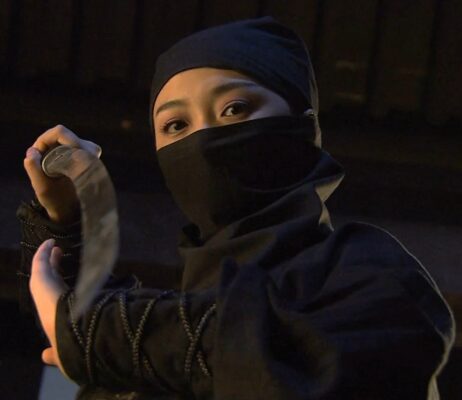
The Origins of Assassins 刺客 and Their Connection to Retainers in Ancient China
The role of cìkè 刺客, or 'assassins', is deeply intertwined with the historical practices of stealth, warfare, and political maneuvering in Ancient China. While assassins are often thought of as independent mercenaries, many of them were...

Our Story: Triads and Kung Fu
Les and Noelle Sifu's experiences living amidst the Triads in Hong Kong provide a unique insight into the parallel society that has a rich history in Chinese martial arts. The encounters with Triad members, or "soldiers,"...